Soft Water vs. Hard Water: What Waukegan IL Homeowners Should Know
Hard water can affect everyday tasks in ways that are easy to overlook. From how your hair and skin feel after a shower to laundry and cloudy glassware, here is what changes when water is softened.
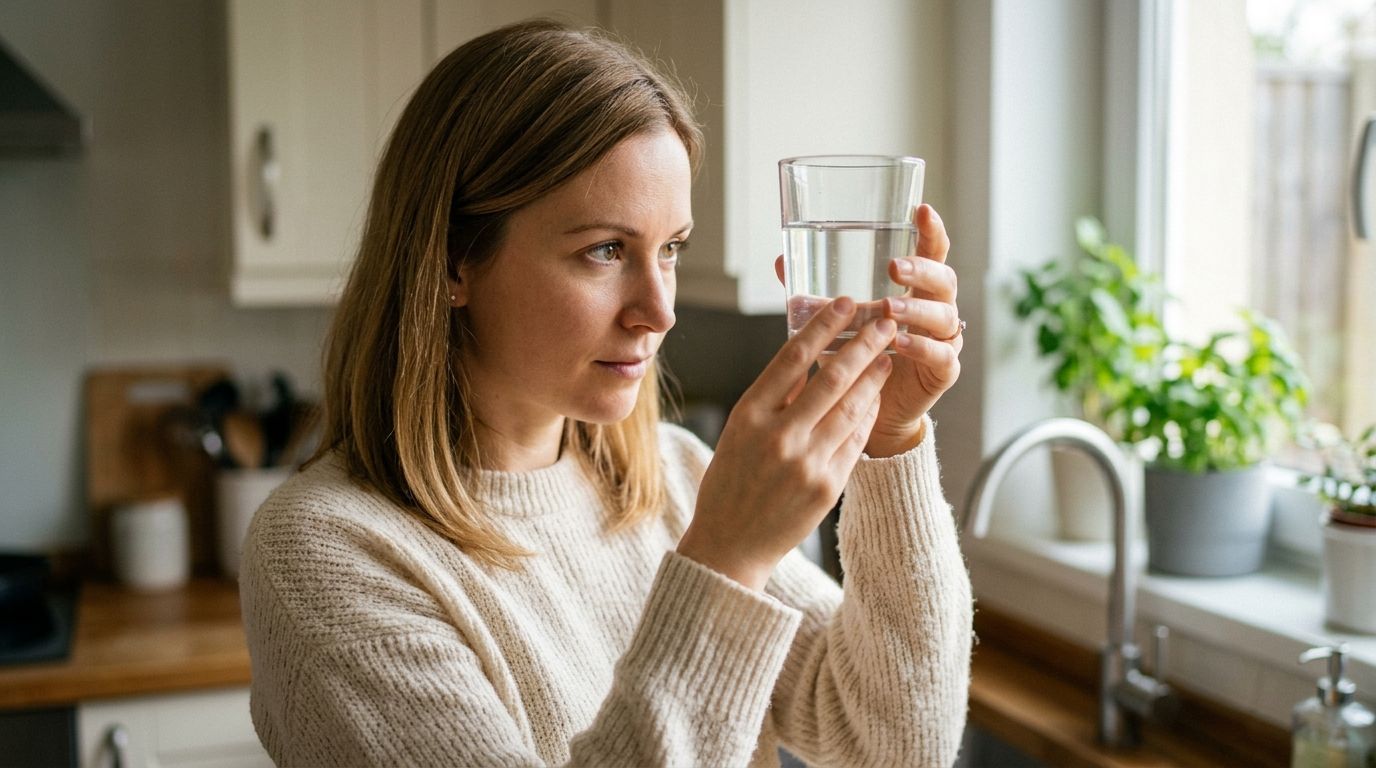
The water coming from your faucet may look completely clear, but that does not necessarily mean it is free from hardness minerals. Calcium and magnesium can be dissolved in water without changing its appearance, yet they can still leave noticeable effects throughout your Waukegan home.
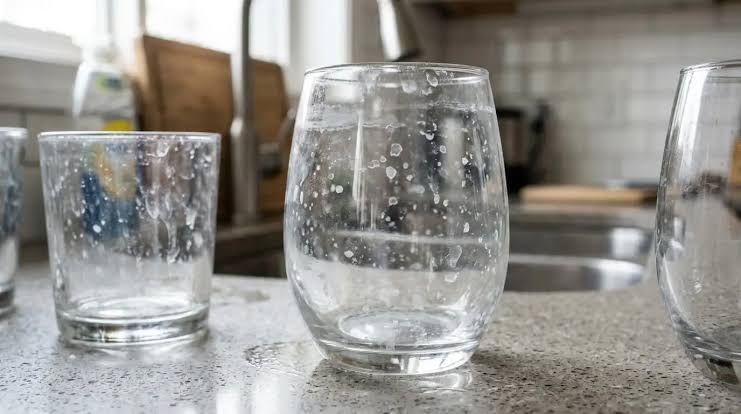
You may see white spots around faucets, find that soap takes longer to rinse away, or notice that freshly washed glasses look cloudy. These are some of the everyday differences that can make hard water frustrating.
Understanding the difference between hard and soft water can help you recognize whether your household may benefit from water softening.
What Is Hard Water?
Hard water contains dissolved minerals, mainly calcium and magnesium. These minerals occur naturally and can enter the household water supply as water moves through soil and rock.
The higher the concentration of these minerals, the harder the water is considered.
Hard water is not simply a matter of taste or appearance. The minerals can interact with soap, detergents, plumbing surfaces, and appliances, creating residue and buildup over time.
Softening reduces much of the calcium and magnesium hardness before the water reaches the home's fixtures.
Hard Water Can Affect Your Hair
Your hair is exposed to household water every time you shower, so changes in water quality can become noticeable through regular washing.
Hard water minerals can interact with shampoo and soap, sometimes making them more difficult to rinse away completely. Some people find that their hair feels less smooth, dry, or coated after washing.
Softened water contains fewer hardness minerals, which can make soap and shampoo easier to rinse. Some households notice that their hair feels cleaner or easier to manage after switching to softened water.
Individual results can vary, but the difference can be noticeable when hard water has been a persistent household issue.
Your Skin May Feel Different Too
Hard water can also change the way bathing feels.
Calcium and magnesium can interact with soap and contribute to residue remaining on the skin after washing. For some people, this can leave their skin feeling dry or as though there is a film that needs additional rinsing.
Soft water can make it easier for soap to rinse away because there are fewer hardness minerals interfering with the process.
If you notice a difference after installing a softener, it may be less about the water itself and more about how soap behaves in the softer water.
What Happens to Your Laundry?
Laundry is another place where hard water can make a difference.
Hardness minerals can reduce the effectiveness of detergents, which may encourage households to use more detergent than they otherwise would. Over repeated washes, fabrics may also appear less bright or feel different after laundering.
Softened water can help detergents work more efficiently. Clothes may rinse more easily, and households may find that they need less detergent for their normal washing routine.
The exact results depend on detergent type, washing machine settings, fabric, and the hardness level of the water.
Why Does Glassware Get Cloudy?
Cloudy glassware is one of the easiest signs of hard water to recognize.
When hard water dries on a glass, calcium and magnesium can remain behind as mineral deposits. This can create cloudy spots that make clean glassware look dirty.
A dishwasher can clean food and grease from the surface, but it cannot necessarily prevent mineral deposits from forming when hard water is involved.
Using softened water can reduce the amount of hardness minerals available to leave these deposits behind.
Hard Water Can Also Affect Appliances
The difference between hard and soft water goes beyond cleaning and personal care.
Water using appliances are repeatedly exposed to the minerals in the household water supply. Over time, hardness minerals can contribute to scale buildup inside equipment such as water heaters, dishwashers, washing machines, and other appliances.
Reducing hardness can help limit mineral accumulation and may make routine appliance maintenance easier.
This is particularly useful for homeowners who want to reduce the effects of hard water throughout the entire home rather than dealing with individual deposits as they appear.
How Can You Know How Hard Your Water Is?
You can look for signs of hard water, but appearance alone cannot tell you the actual hardness level.
Water hardness is commonly measured in grains per gallon, or gpg. A water test can determine the amount of hardness present and provide useful information for selecting or adjusting a water softener.
Testing is especially helpful if you are experiencing recurring mineral deposits or if an existing softener does not seem to be producing the results you expect.
What Does a Water Softener Do?
A traditional water softener uses ion exchange to reduce calcium and magnesium.
Inside the softener is a tank filled with resin beads. As water passes through the tank, the resin attracts hardness minerals and exchanges them for sodium or another ion.
The resin eventually needs to be regenerated. During regeneration, a brine solution helps restore the resin so it can continue treating incoming water.
When the system is correctly sized, installed, and maintained, this process can significantly reduce the hardness entering your home's plumbing.
Is Soft Water Better for Every Situation?
Softened water can address many problems associated with calcium and magnesium hardness, but it is important to understand what a water softener is designed to treat.
A standard softener is primarily intended for hardness minerals. Other concerns, such as iron, sediment, odors, or certain contaminants, may require different treatment equipment.
That is why water testing is useful before selecting a treatment system. Knowing what is actually in the water helps ensure the equipment is addressing the right problem.
Making Hard Water Easier to Manage in Waukegan
Hard water can affect small parts of your daily routine without always being obvious. You may notice it through spotted glasses, soap residue, changes in laundry, or the way your hair and skin feel after showering.
For homeowners in Waukegan, IL, understanding these differences can help determine whether water softening is worth considering. Testing the water can provide a clearer picture of the hardness level and help identify an appropriate solution.
Waukegan Water Softener can help homeowners understand hard water problems and explore practical water treatment options. If mineral buildup, cloudy glassware, or difficult cleaning has become a regular frustration, professional water testing and softening guidance can help you find a solution suited to your Waukegan home.