Why Does My Water Still Feel Hard? A Waukegan IL Troubleshooting Guide
If you still notice mineral spots, soap residue, or scale after installing a water softener, the system may need attention. Learn what to check and how Waukegan IL homeowners can identify possible causes.
Why Hard Water Symptoms Can Continue
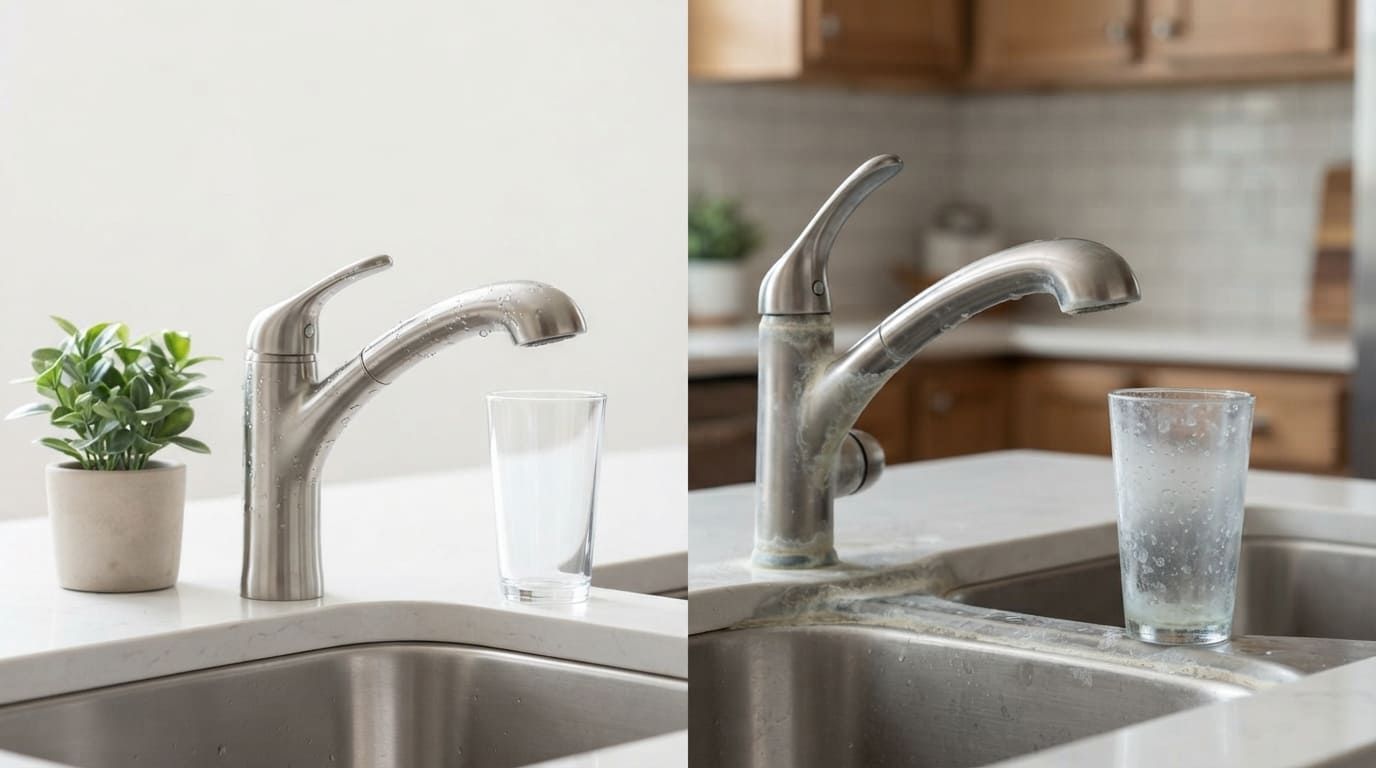
A water softener is designed to reduce calcium and magnesium, the minerals responsible for water hardness. When a system works correctly, it can help reduce mineral deposits on faucets, showerheads, dishes, and other household surfaces.
However, some homeowners continue to notice signs that resemble hard water even after installing a softener. The cause might be low salt, incorrect settings, a bypass valve, worn resin, or residue that is unrelated to water hardness.
Waukegan receives its municipal water from Lake Michigan through the city's water treatment system. According to the city's water quality report, the supply undergoes filtration and disinfection before distribution. These treatment processes address drinking water quality, while a water hardness test helps determine the level of calcium and magnesium in household water.
Before assuming your softener has failed, identify the symptoms and test the treated water. This can help you avoid unnecessary repairs or replacing equipment that may still be working properly.
Check the Salt Level in Your Water Softener
If your system uses salt for regeneration, start by checking the brine tank. Salt provides the material needed to create the brine solution that restores the resin beads after they collect hardness minerals.
When the salt supply is too low, the softener may not regenerate effectively. As the resin becomes loaded with calcium and magnesium, some hardness minerals may pass through into your household plumbing.
Check the salt level and follow the manufacturer's recommended fill level. Avoid assuming that adding more salt will solve every problem.
Also look for a salt bridge. This is a hardened layer of salt that forms above an empty space inside the tank. The tank may appear full even though the salt underneath cannot dissolve properly. If you suspect a bridge, follow the equipment manual for safe removal and avoid damaging the tank.
Make Sure the Bypass Valve Is Not Activated
Many water softeners have a bypass valve that allows water to flow around the treatment system. This is useful during maintenance, but if the valve remains in bypass mode, untreated water may reach your faucets.
Check the valve position against the manufacturer's instructions. If the system has recently been serviced, moved, or repaired, verify that it has been returned to normal operation.
Do not force a stiff valve or attempt unfamiliar plumbing repairs. If the valve is damaged, leaking, or difficult to understand, ask a qualified technician to inspect it.
Review Your Regeneration Settings
Regeneration restores the resin beads so they can continue removing hardness minerals. Depending on the equipment, the process may occur according to a timer, measured water use, or programmed settings.
If regeneration does not happen when needed, the resin may lose its ability to soften water effectively. Incorrect time settings, a power interruption, unsuitable programming, or a malfunctioning control valve can contribute to the problem.
Check that the system clock is correct and review the settings using the owner's manual. The correct schedule depends on your water hardness, household consumption, and the capacity of the softener.
If regeneration repeatedly fails or the control panel displays an error, professional service may be necessary.
Could the Resin Be Worn Out or Contaminated?
Inside a conventional water softener, resin beads capture calcium and magnesium through ion exchange. Over time, the resin may become less effective because of age, physical deterioration, or contamination.
Iron can be a particular concern because certain forms can accumulate on the resin and interfere with treatment. Sediment and other water quality issues may also affect performance.
If you notice reddish brown stains, unusual discoloration, or persistent problems despite adequate salt and proper regeneration, consider testing the water for iron and other relevant minerals. A separate filtration system or resin service may be appropriate depending on the results.
Adding more salt will not repair damaged resin or remove every type of contaminant. Identifying the cause first helps prevent wasted time and money.
Not Every White Spot Means Your Water Is Hard
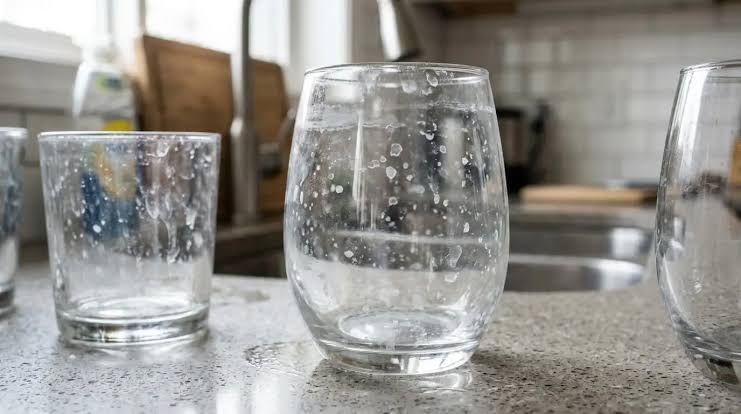
White spots on glassware, a film on shower doors, or residue around faucets can indicate hardness, but these symptoms are not definitive.
Soap residue, detergent buildup, dishwasher settings, and other dissolved substances can create similar problems. Even when a water softener is working correctly, some types of residue may remain.
A water hardness test provides a clearer answer. Compare untreated water with water taken after the softener. If the treated water shows substantially reduced hardness, the system may be doing its job even if some spots remain.
If hardness is still high after treatment, inspect the salt supply, bypass valve, regeneration settings, and system condition. If hardness is low but residue continues, investigate cleaning products and other possible causes.
Does Waukegan Municipal Water Need Softening?
Waukegan's municipal supply comes from Lake Michigan, and the city's water quality reports provide information about treatment and water testing. The city's 2024 water quality report lists total hardness at approximately 130 milligrams per liter as calcium carbonate, equivalent to about 7.6 grains per gallon.
This figure is a general reference for the reported municipal supply, not a guarantee of the exact hardness at every tap. Conditions can vary with water sources, building plumbing, and individual property circumstances. Homes using private wells may have different water characteristics and should arrange appropriate testing.
Moderate hardness does not automatically mean every household needs a water softener. The decision depends on measured hardness, the mineral buildup you experience, household preferences, and the cost and maintenance requirements of treatment.
Testing your water before buying or adjusting equipment helps you make a decision based on actual conditions rather than guesswork.
When Should You Call a Water Treatment Professional?
Basic checks can resolve some softener problems, but persistent symptoms may require a more thorough inspection.
Consider professional help if the treated water continues to test hard, the system fails to regenerate, salt bridges keep returning, or the equipment displays recurring errors. A technician can assess the resin, brine tank, control valve, and system settings.
A professional can also help determine whether the softener is correctly sized for your household and whether another treatment method is needed. This is especially useful when iron, sediment, or other water quality concerns are present.
The goal is to identify the actual cause before spending money on replacement equipment or unnecessary maintenance.
Get Help With Water Softener Problems in Waukegan IL
If your water still seems hard after treatment, the system may need a simple adjustment, maintenance, or a more detailed inspection. Checking salt levels, confirming the bypass valve position, reviewing regeneration settings, and testing water hardness can help narrow down the cause.
Waukegan Water Softener helps homeowners in Waukegan, IL explore water softening options and understand common treatment and maintenance concerns. Contact Waukegan Water Softener to discuss persistent hard water symptoms and find a practical next step for your home.